By Marcus Webb · Regulatory & Compliance Analyst · Updated November 2026
nad iv vs injection

NAD IV Drip vs NAD Injection: What Differs

NAD IV vs injection: how clinic drips and telehealth injections differ in setting, supervision, side effect reports and cost, and what the evidence says.

nad iv vs injection

πŸ† Compared in this guide

NAD+ nad iv vs injection
Arc-1

NAD+ Injections

Physician-guided NAD+ injection kit from a licensed telehealth platform. Includes online consultation.

Injectable (compounded)Telehealth + RxDirect to door
Details
Physician consultation included
Licensed telehealth platform
Pharmacy-compounded product
Premium pricing
Requires online medical intake
↩️ 30-day returns
$299.99 Check price
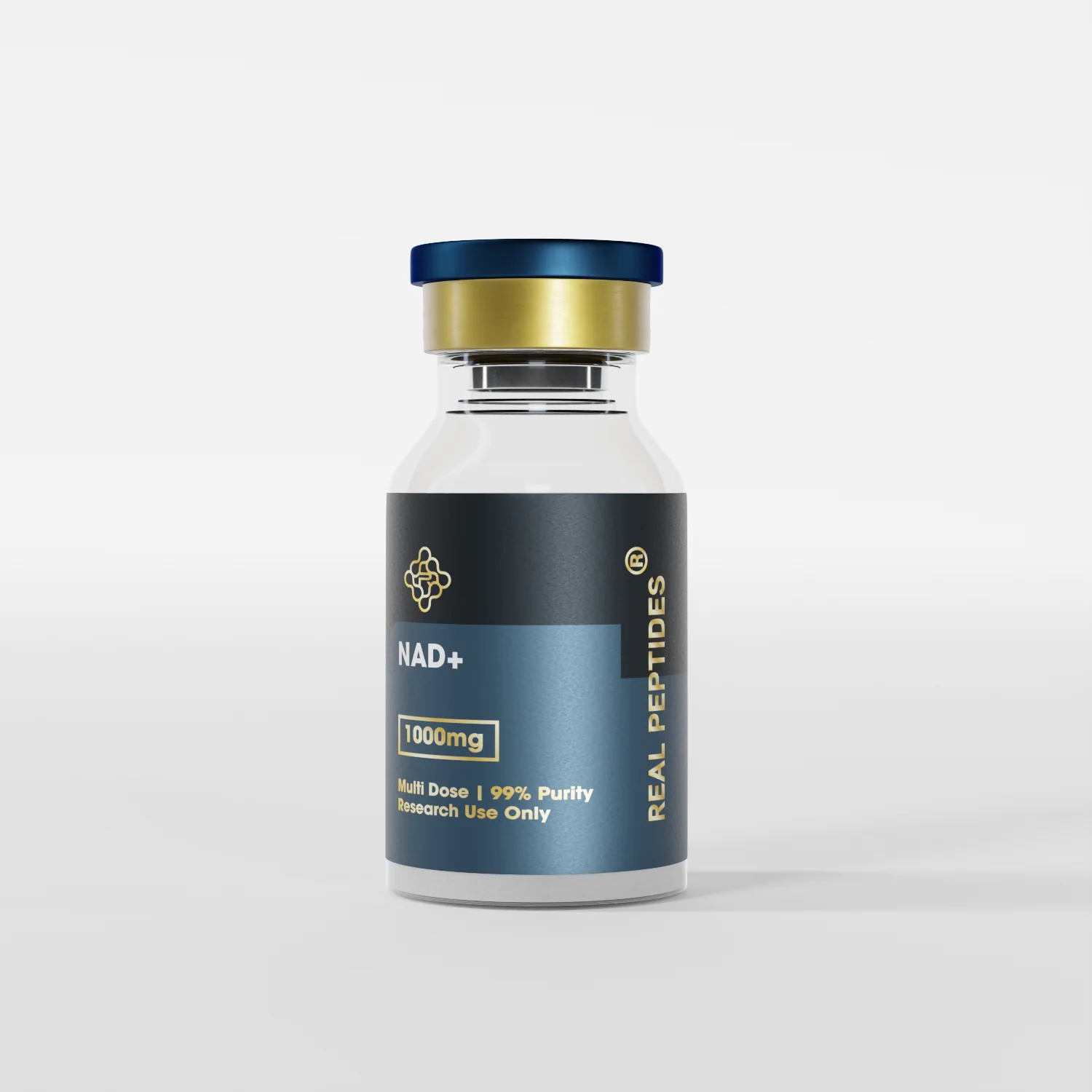
NAD+ nad iv vs injection - NAD+ Peptide (Multi-Dose Vial)
Real Peptides

NAD+ Peptide (Multi-Dose Vial)

NAD+ research peptide in a multi-dose vial. Independent lab tested with COA published per lot. Ships from US stock.

Lyophilized powderThird-party COAUS stock
Details
Published third-party COA
Affordable entry price
Multi-dose vial format
Research use only β€” not for human consumption
No physician consultation included
🚚 Free delivery on orders $250+
NAD+ nad iv vs injection - NAD+ Nasal Spray
Arc-1

NAD+ Nasal Spray

1 reviews

Compounded NAD+ nasal spray from a telehealth platform. Needle-free delivery with physician oversight.

Nasal spray (compounded)Telehealth + RxDirect to door
Details
No needles β€” nasal delivery
Doctor-supervised telehealth
Pharmacy-compounded
Monthly subscription model
Bioavailability data limited for nasal route
↩️ 30-day returns
$149.99 Check price

Quick comparison

ProductFormAccessShippingTestingReviewsPrice
Arc-1 NAD+ InjectionsInjectable (compounded)Telehealth + RxDirect to doorβ€”β€”$299.99
Real Peptides NAD+ Peptide (Multi-Dose Vial)Lyophilized powderβ€”US stockThird-party COAβ€”$60.00
Arc-1 NAD+ Nasal SprayNasal spray (compounded)Telehealth + RxDirect to doorβ€”1$149.99

The reactions clinics most often report with NAD+, namely flushing, nausea, chest tightness and cramping, are linked to IV infusions given fast, and that single fact shapes most of the NAD IV vs injection question. An IV drip delivers NAD+ into a vein over a supervised session in a clinic chair. An injection is a much shorter event, offered by clinics and, through telehealth prescribers such as Arc-1 at $299.99, as a compounded product shipped to your door.

Below I compare the two on setting, supervision, cost and evidence. Neither route uses an FDA-approved NAD+ product, and this is not medical advice.

How the Two Routes Differ in Practice

The practical difference is time, place and who is present. This table sets out the main contrasts.

FactorNAD+ IV dripNAD+ injection
WhereClinic or med-spaClinic, or via a telehealth prescription
Session lengthLong, staff sets the infusion rateShort
SupervisionStaff present throughoutClinic staff, or prescriber oversight for telehealth
Price visibilitySet by each clinicArc-1 lists $299.99
FDA statusNot an approved NAD+ drugNot an approved NAD+ drug

The speed of an IV can be adjusted by staff, which is how clinics respond when someone starts flushing or feeling nauseous. That control is a real advantage of the drip setting.

Side Effect Patterns by Route

Most published clinic reports of NAD+ side effects concern IV infusions, where a fast rate is associated with flushing, nausea, chest tightness and cramping. Fewer reports address injections, but that is a gap in reporting rather than proof injections are free of reactions.

Comparing safety by route needs controlled human studies, and those have not been done for injectable NAD+ in the facts we work from. What we can say is that both routes involve introducing a compound that is not FDA-approved, and both are safer with a clinician involved. The side effects page lists what to watch for.

Cost Considerations for IV and Injection

IV pricing is set clinic by clinic, and a drip occupies a chair, a nurse and a longer block of time, all of which clinics build into the session price. Clinics do not publish a national standard, so the only firm number we can give is the telehealth one: Arc-1's NAD+ Injections at $299.99, including a physician consultation, with 30-day returns.

When comparing, ask each clinic for its full per-session price and how many sessions it usually recommends. Our NAD injections cost guide breaks down telehealth and research pricing in more detail.

Does One Route Work Better?

No controlled human trial shows that NAD+ by IV produces better outcomes than NAD+ by injection, or the reverse. Human evidence for injectable NAD+ benefits overall is limited, and most strong data come from cells and animals. Claims that "IV is the only route that works" or that "injections are just as good" are both opinions.

We think the more useful question is which setting gives you the supervision you need. A person with a complex medical history may prefer a clinic where staff can stop an infusion. Someone weighing a home program will want to understand how telehealth prescribing works, which we describe on NAD injections at home.

Questions to Settle Before Choosing

The NAD IV vs injection decision is easier once a few personal questions are answered, ideally with your doctor:

  • Do you want staff in the room, or is remote prescriber support enough?
  • How much time can you set aside for each session?
  • Do you have a history of reactions to infusions or injections?
  • Is there a clinic within reach, or is telehealth the practical option?

We find that people who answer these first rarely end up choosing on price alone, which is the right outcome given how little separates the routes on evidence.

Where Research Vials Fit

Research vials do not fit the NAD IV vs injection decision at all, because they are not sold for human use. Real Peptides' NAD+ Peptide (Multi-Dose Vial) at $60.00 is a lyophilized research compound with a third-party COA, labelled research use only and not for human consumption, with no physician consultation.

FDA's August 2026 warning letters to five online peptide vendors showed that the agency looks at the whole website, and treats dosing guidance and bacteriostatic water sold alongside injectables as signs of intended human use. For anyone deciding between a drip and an injection for themselves, the choice is between two medical routes, and the person to make it with is your doctor.

ℹ️
How we review. We compare each product on the vendor’s own page on the date shown: price, vial size, price per mg, stated purity and whether a batch-specific COA from a third-party lab is published. We do not run lab tests ourselves and we do not test peptides on people. Rankings are updated when prices or COAs change. Last checked: November 2026.
⚠️
Disclaimer. For informational purposes only. Not medical advice. Injectable NAD+ is not an FDA-approved drug. Telehealth products listed require a medical consultation and prescription; research-grade products are sold for laboratory research only. Some links are affiliate links; they do not change our rankings.

Deep dive

The reactions clinics most often report with NAD+, namely flushing, nausea, chest tightness and cramping, are linked to IV infusions given fast, and that single fact shapes most of the NAD IV vs injection question. An IV drip delivers NAD+ into a vein over a supervised session in a clinic chair. An injection is a much shorter event, offered by clinics and, through telehealth prescribers such as Arc-1 at $299.99, as a compounded product shipped to your door.

Below I compare the two on setting, supervision, cost and evidence. Neither route uses an FDA-approved NAD+ product, and this is not medical advice.

The practical difference is time, place and who is present. This table sets out the main contrasts.

FactorNAD+ IV dripNAD+ injection
WhereClinic or med-spaClinic, or via a telehealth prescription
Session lengthLong, staff sets the infusion rateShort
SupervisionStaff present throughoutClinic staff, or prescriber oversight for telehealth
Price visibilitySet by each clinicArc-1 lists $299.99
FDA statusNot an approved NAD+ drugNot an approved NAD+ drug

The speed of an IV can be adjusted by staff, which is how clinics respond when someone starts flushing or feeling nauseous. That control is a real advantage of the drip setting.

Most published clinic reports of NAD+ side effects concern IV infusions, where a fast rate is associated with flushing, nausea, chest tightness and cramping. Fewer reports address injections, but that is a gap in reporting rather than proof injections are free of reactions.

Comparing safety by route needs controlled human studies, and those have not been done for injectable NAD+ in the facts we work from. What we can say is that both routes involve introducing a compound that is not FDA-approved, and both are safer with a clinician involved. The side effects page lists what to watch for.

IV pricing is set clinic by clinic, and a drip occupies a chair, a nurse and a longer block of time, all of which clinics build into the session price. Clinics do not publish a national standard, so the only firm number we can give is the telehealth one: Arc-1's NAD+ Injections at $299.99, including a physician consultation, with 30-day returns.

When comparing, ask each clinic for its full per-session price and how many sessions it usually recommends. Our NAD injections cost guide breaks down telehealth and research pricing in more detail.

No controlled human trial shows that NAD+ by IV produces better outcomes than NAD+ by injection, or the reverse. Human evidence for injectable NAD+ benefits overall is limited, and most strong data come from cells and animals. Claims that "IV is the only route that works" or that "injections are just as good" are both opinions.

We think the more useful question is which setting gives you the supervision you need. A person with a complex medical history may prefer a clinic where staff can stop an infusion. Someone weighing a home program will want to understand how telehealth prescribing works, which we describe on NAD injections at home.

πŸ™‹ NAD IV Drip vs NAD Injection: What Differs β€” FAQ

Is an NAD IV drip better than an injection?
No controlled human trial shows that either route produces better outcomes. The main differences are setting, supervision, time and cost.
Why do side effects come up more with IV drips?
Clinics commonly report flushing, nausea, chest tightness and cramping when NAD+ IV infusions are given fast. Staff can slow or stop a drip if that happens.
Can I use a research vial instead of a clinic visit?
No. Research vials such as Real Peptides' NAD+ vial are labelled research use only and not for human consumption, so they are not part of this choice.

πŸ‘‰ Ready to buy?

See our current top nad iv vs injection.

Compare NAD+ options