NAD+

Independent guide to NAD+ injections
NAD injection dosage explained: no approved human dose exists, animal doses do not translate, forum protocols are anecdotes, and your prescriber sets it.
On 24 August 2026, FDA sent warning letters to five online peptide vendors and named dosing guidance on their websites as evidence that "research use only" products were really meant for people. That is the backdrop for any page about NAD injection dosage. There is no FDA-approved human dose of injectable NAD+, and the only person who should set one for you is the clinician who prescribes it.
This page explains why we publish no dose figures, what the research does and does not tell you, and how the prescription route handles the question. Injectable NAD+ is not an approved drug, and nothing here is medical advice.
No approved human dose of injectable NAD+ exists because injectable NAD+ has never been approved by FDA as a drug. Approval is the process in which a dose is tested in controlled trials for safety and effect. Without that process, any number you find online is somebody's choice, not an established standard.
Human evidence for injectable NAD+ benefits is limited, and most strong data concern cell and animal models. A dose cannot be more reliable than the evidence behind it, and for NAD+ injections in people that evidence is thin.
Doses used in animal research cannot simply be converted into human doses. Mice and rats process compounds at different rates, have different body sizes and lifespans, and are studied under controlled lab conditions that look nothing like a person's daily life.
Researchers design animal studies to answer questions about mechanisms, not to tell people what to take. When a blog takes an animal study and "scales" its figure up to a person, it is producing a guess that looks like science. We have seen these conversions passed around as if they came from a clinical trial. They did not.
NAD injection dosage "protocols" shared on forums and social media are personal anecdotes, not medical guidance. Nobody checks the purity of what the poster used, their health, their other medications, or whether what they felt had anything to do with NAD+.
Common problems with these posts:
Clinics commonly report flushing, nausea, chest tightness or cramping with NAD+ IV infusions given fast. A forum post is no substitute for someone who can recognize those reactions. The side effects page covers them in detail.
Clinic menus that sell NAD+ in fixed packages can look like dosing standards, but they are commercial products, not medical guidance. A package is designed around pricing and scheduling for the clinic, and the same NAD injection dosage question still needs an individual answer from the clinician who assesses you.
If a clinic quotes a package before anyone has asked about your health, treat that as a sales step rather than a medical one. Ask who sets the amount for you, what they base it on, and what changes if you react badly. A clinic that cannot answer has not done the assessment that the prescription route depends on.
FDA treats dosing information on a vendor's website as a sign that the products are intended for human use. In its August 2026 warning letters, the agency said "research use only" labels do not decide the question. It looks at the whole website, and disease claims, dosing guidance, reconstitution calculators and bacteriostatic water sold next to injectables were all treated as evidence.
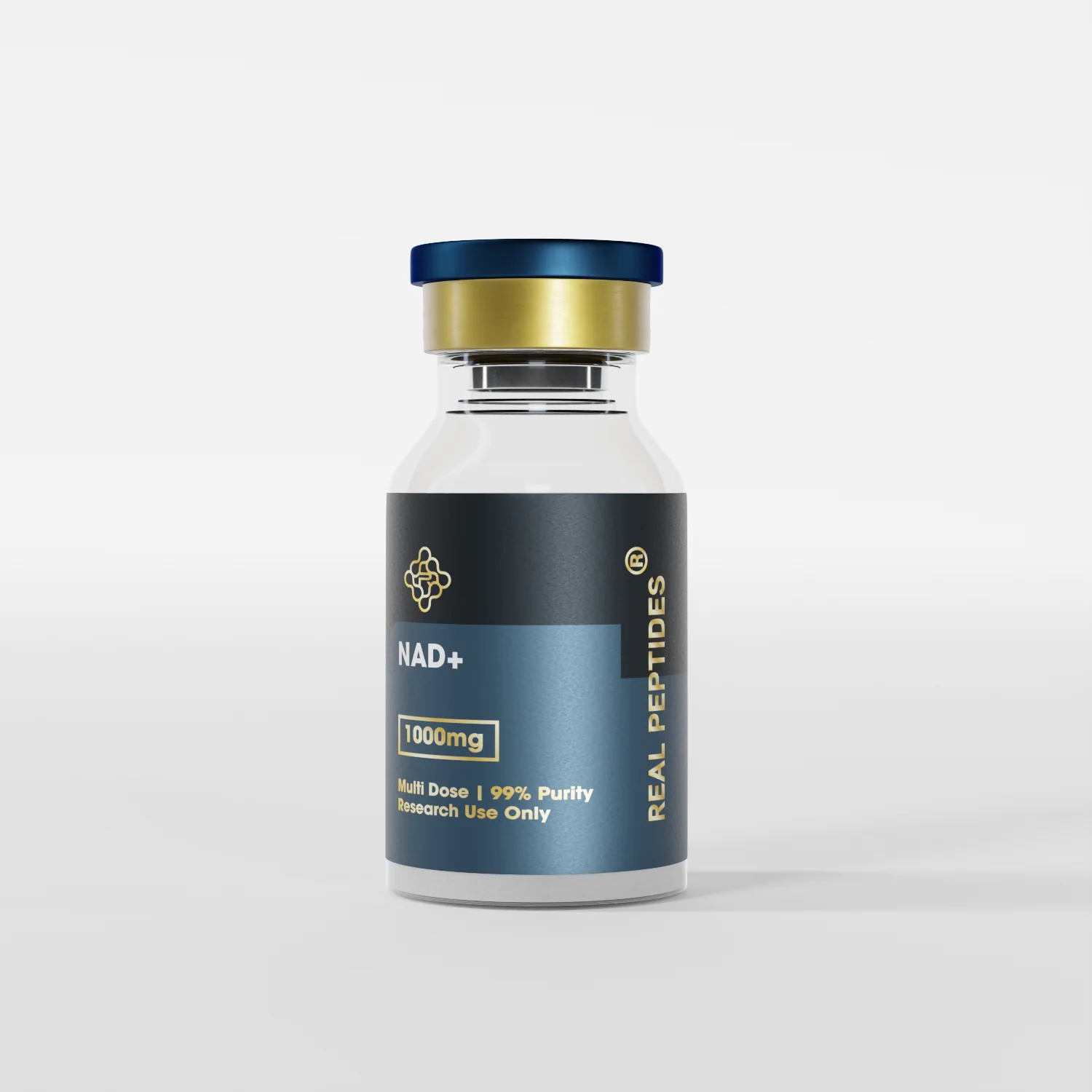
That is why Real Peptides, which sells an NAD+ multi-dose vial for $60.00 and a liquid spray for $120.00, labels both "not for human consumption" and includes no consultation, and why this site publishes no dosing. A research product with a dose chart attached is exactly what enforcement targets.
With a prescription NAD+ product, the prescriber decides the amount, frequency and length of use based on your medical intake. Arc-1's NAD+ Injections ($299.99) and NAD+ Nasal Spray ($149.99) both require an online intake and include a physician consultation, and the products are pharmacy-compounded for the individual prescription.
If you have questions about how much or how often, they belong in that consultation, and any later change should come from the same prescriber. Our page on NAD injection prescriptions explains the intake process, and NAD injections at home describes what a telehealth program includes. If you are not working with a prescriber, talk to your doctor before considering NAD+ at all.
On 24 August 2026, FDA sent warning letters to five online peptide vendors and named dosing guidance on their websites as evidence that "research use only" products were really meant for people. That is the backdrop for any page about NAD injection dosage. There is no FDA-approved human dose of injectable NAD+, and the only person who should set one for you is the clinician who prescribes it.
This page explains why we publish no dose figures, what the research does and does not tell you, and how the prescription route handles the question. Injectable NAD+ is not an approved drug, and nothing here is medical advice.
No approved human dose of injectable NAD+ exists because injectable NAD+ has never been approved by FDA as a drug. Approval is the process in which a dose is tested in controlled trials for safety and effect. Without that process, any number you find online is somebody's choice, not an established standard.
Human evidence for injectable NAD+ benefits is limited, and most strong data concern cell and animal models. A dose cannot be more reliable than the evidence behind it, and for NAD+ injections in people that evidence is thin.
Doses used in animal research cannot simply be converted into human doses. Mice and rats process compounds at different rates, have different body sizes and lifespans, and are studied under controlled lab conditions that look nothing like a person's daily life.
Researchers design animal studies to answer questions about mechanisms, not to tell people what to take. When a blog takes an animal study and "scales" its figure up to a person, it is producing a guess that looks like science. We have seen these conversions passed around as if they came from a clinical trial. They did not.
NAD injection dosage "protocols" shared on forums and social media are personal anecdotes, not medical guidance. Nobody checks the purity of what the poster used, their health, their other medications, or whether what they felt had anything to do with NAD+.
Common problems with these posts:
Clinics commonly report flushing, nausea, chest tightness or cramping with NAD+ IV infusions given fast. A forum post is no substitute for someone who can recognize those reactions. The side effects page covers them in detail.
Clinic menus that sell NAD+ in fixed packages can look like dosing standards, but they are commercial products, not medical guidance. A package is designed around pricing and scheduling for the clinic, and the same NAD injection dosage question still needs an individual answer from the clinician who assesses you.
If a clinic quotes a package before anyone has asked about your health, treat that as a sales step rather than a medical one. Ask who sets the amount for you, what they base it on, and what changes if you react badly. A clinic that cannot answer has not done the assessment that the prescription route depends on.
