NAD+

Independent guide to NAD+ injections
NAD injection side effects reported by clinics: flushing, nausea, chest tightness and cramping, why infusion speed matters, and what is still unknown.
Most reported side effects are mild and temporary. Common reactions include flushing, nausea, headache and injection-site redness. If symptoms persist or worsen, stop use and consult a healthcare provider.
Flushing, nausea, chest tightness and cramping are the NAD injection side effects clinics most often report, and they tend to appear when NAD+ is given fast by IV. Those reports come from clinic experience rather than controlled trials, which says something on its own: injectable NAD+ is not FDA-approved, so it has never gone through the safety testing an approved drug would.
This page collects what is reported, what is unknown, and why the setting where NAD+ is given matters for safety. I am not a clinician, and none of this replaces advice from your doctor.
The reactions reported most often are flushing, nausea, chest tightness and cramping during NAD+ infusions. Clinics generally link them to the speed of the infusion rather than the total amount given.
These are general, clinic-reported effects. There is no published trial data in the facts we work from that sets out how often each one occurs, so any percentage you see online should be treated with suspicion.
Most of what is reported about NAD side effects comes from IV drips, where the rate of delivery can be controlled and changed by staff. An injection, a nasal spray and an IV are different delivery situations, and reactions seen with one do not automatically transfer to another.
That is why we do not repeat claims that one format has "no side effects". Arc-1 notes that bioavailability data for the nasal route is limited, so the absence of reports for sprays may reflect a lack of study rather than a clean safety record. The IV vs injection comparison and the nasal spray page cover these formats separately.
Long-term safety of repeated NAD+ injections in people has not been established in controlled trials. Human evidence for injectable NAD+ is limited overall, and most of the strong data concern cell and animal models, which are poor guides to rare or slow-developing effects.
Unknowns that matter to a buyer:
A prescriber screens for these during intake, which is one of the main reasons the prescription route exists.
A supervised setting means someone qualified can recognize a reaction and act on it; a research product has no such safeguard. Arc-1's NAD+ Injections ($299.99) include a physician consultation and a medical intake before anything is prescribed. Clinics administer NAD+ with staff present.
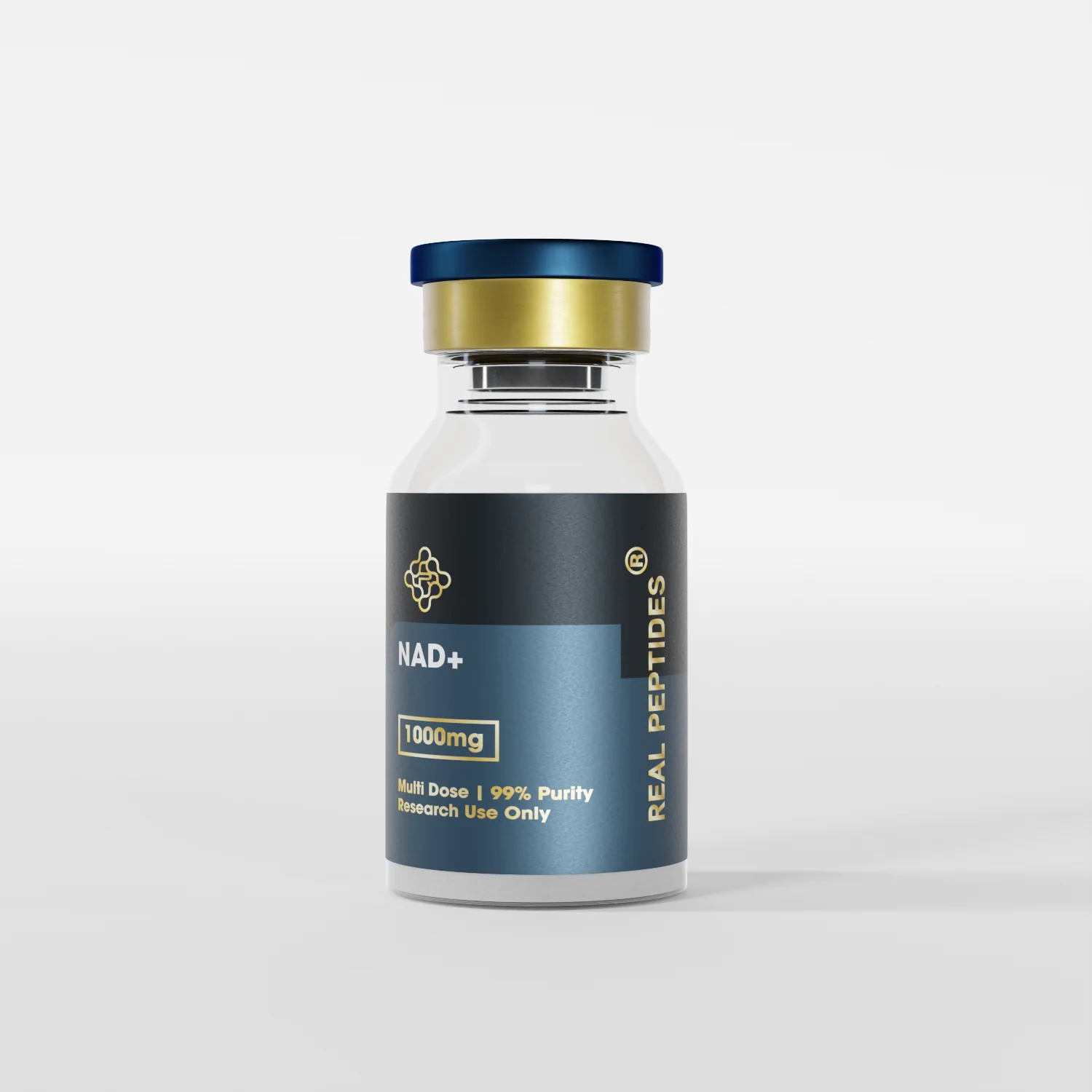
Real Peptides' NAD+ multi-dose vial ($60.00) and 1000mg liquid spray ($120.00) are labelled research use only and not for human consumption, and they come with no consultation. Side effect discussions do not apply to them as consumer products, because they are not consumer products. In its August 2026 warning letters, FDA treated dosing guidance and human-use signals on vendor websites as evidence of unapproved drug sales, which is why responsible research vendors give no use instructions.
Most NAD injection side effects you read about online come from personal posts and clinic marketing, and both have blind spots. Personal posts skew toward good experiences, and people rarely report back months later. Clinic pages sometimes describe reactions as "normal" without saying how often they happen or why.
A few checks help. Does the source say whether the reaction happened with an IV, an injection or a spray? Does it say who supervised the treatment? Does it acknowledge that injectable NAD+ is not FDA-approved and has not been through formal safety testing? A source that answers none of these is describing an anecdote. When I compare NAD injection side effects across sources, I give most weight to clinics that state openly what they see and how they respond.
Chest tightness, difficulty breathing, fainting or a strong allergic-type reaction during or after any NAD+ treatment warrant immediate medical attention. Clinics stop an infusion when these appear, and anyone using a prescribed product at home should contact the prescriber or emergency services rather than wait it out.
Before starting at all, tell your doctor about every medication and supplement you take. We also recommend reading our page on what the benefits evidence shows, because a fair decision weighs limited proven upside against side effects that clinics do report.
Flushing, nausea, chest tightness and cramping are the NAD injection side effects clinics most often report, and they tend to appear when NAD+ is given fast by IV. Those reports come from clinic experience rather than controlled trials, which says something on its own: injectable NAD+ is not FDA-approved, so it has never gone through the safety testing an approved drug would.
This page collects what is reported, what is unknown, and why the setting where NAD+ is given matters for safety. I am not a clinician, and none of this replaces advice from your doctor.
The reactions reported most often are flushing, nausea, chest tightness and cramping during NAD+ infusions. Clinics generally link them to the speed of the infusion rather than the total amount given.
These are general, clinic-reported effects. There is no published trial data in the facts we work from that sets out how often each one occurs, so any percentage you see online should be treated with suspicion.
Most of what is reported about NAD side effects comes from IV drips, where the rate of delivery can be controlled and changed by staff. An injection, a nasal spray and an IV are different delivery situations, and reactions seen with one do not automatically transfer to another.
That is why we do not repeat claims that one format has "no side effects". Arc-1 notes that bioavailability data for the nasal route is limited, so the absence of reports for sprays may reflect a lack of study rather than a clean safety record. The IV vs injection comparison and the nasal spray page cover these formats separately.
Long-term safety of repeated NAD+ injections in people has not been established in controlled trials. Human evidence for injectable NAD+ is limited overall, and most of the strong data concern cell and animal models, which are poor guides to rare or slow-developing effects.
Unknowns that matter to a buyer:
A prescriber screens for these during intake, which is one of the main reasons the prescription route exists.
A supervised setting means someone qualified can recognize a reaction and act on it; a research product has no such safeguard. Arc-1's NAD+ Injections ($299.99) include a physician consultation and a medical intake before anything is prescribed. Clinics administer NAD+ with staff present.
Real Peptides' NAD+ multi-dose vial ($60.00) and 1000mg liquid spray ($120.00) are labelled research use only and not for human consumption, and they come with no consultation. Side effect discussions do not apply to them as consumer products, because they are not consumer products. In its August 2026 warning letters, FDA treated dosing guidance and human-use signals on vendor websites as evidence of unapproved drug sales, which is why responsible research vendors give no use instructions.
