NAD+ Injections
Physician-guided NAD+ injection kit from a licensed telehealth platform. Includes online consultation.
Independent guide to NAD+ injections
Compare NAD+ injections in 2026: Arc-1 telehealth Rx at $299.99 vs $60 research vials and sprays, plus what the research shows and the FDA status.

Independently ranked by quality, purity and value.
Physician-guided NAD+ injection kit from a licensed telehealth platform. Includes online consultation.
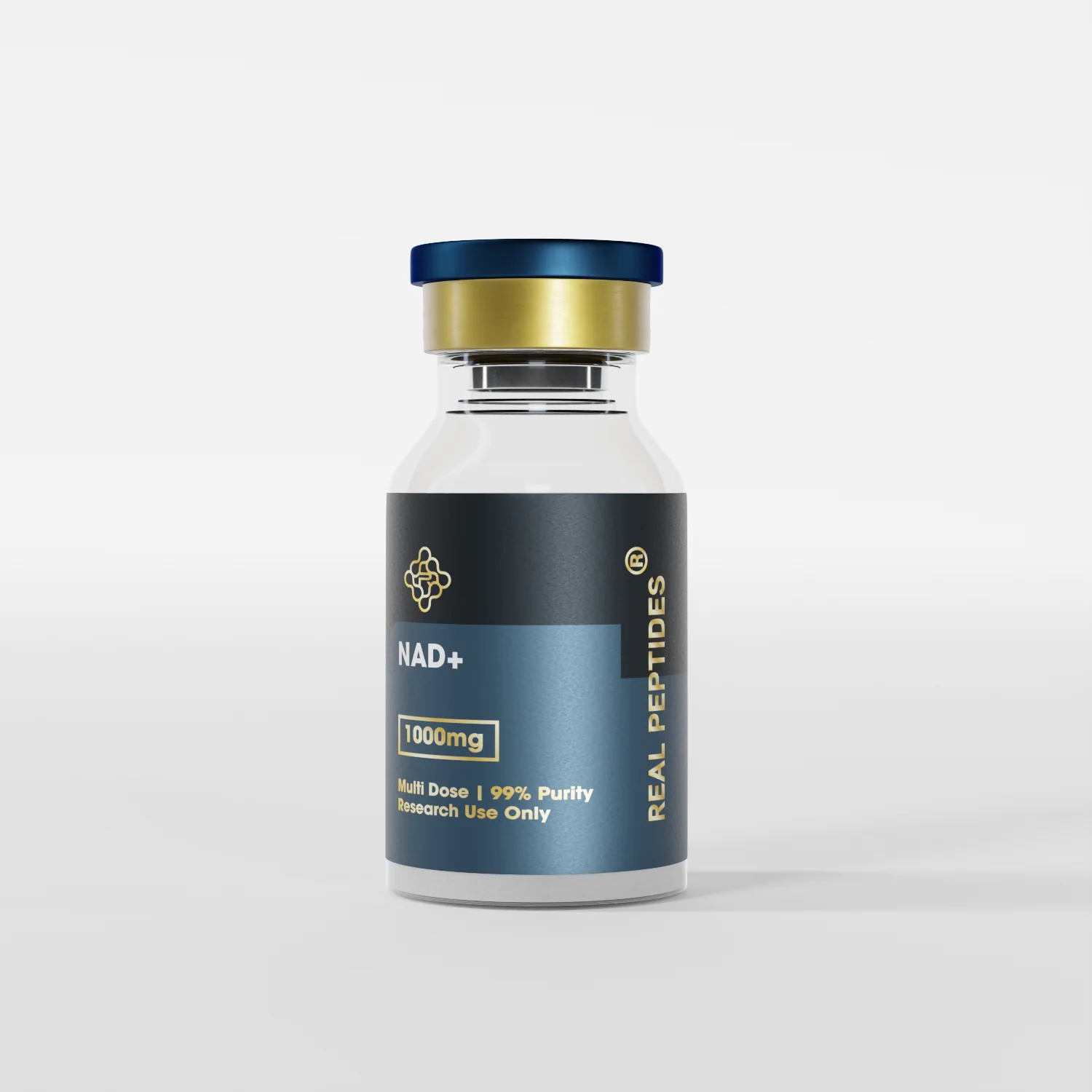
NAD+ research peptide in a multi-dose vial. Independent lab tested with COA published per lot. Ships from US stock.
Compounded NAD+ nasal spray from a telehealth platform. Needle-free delivery with physician oversight.
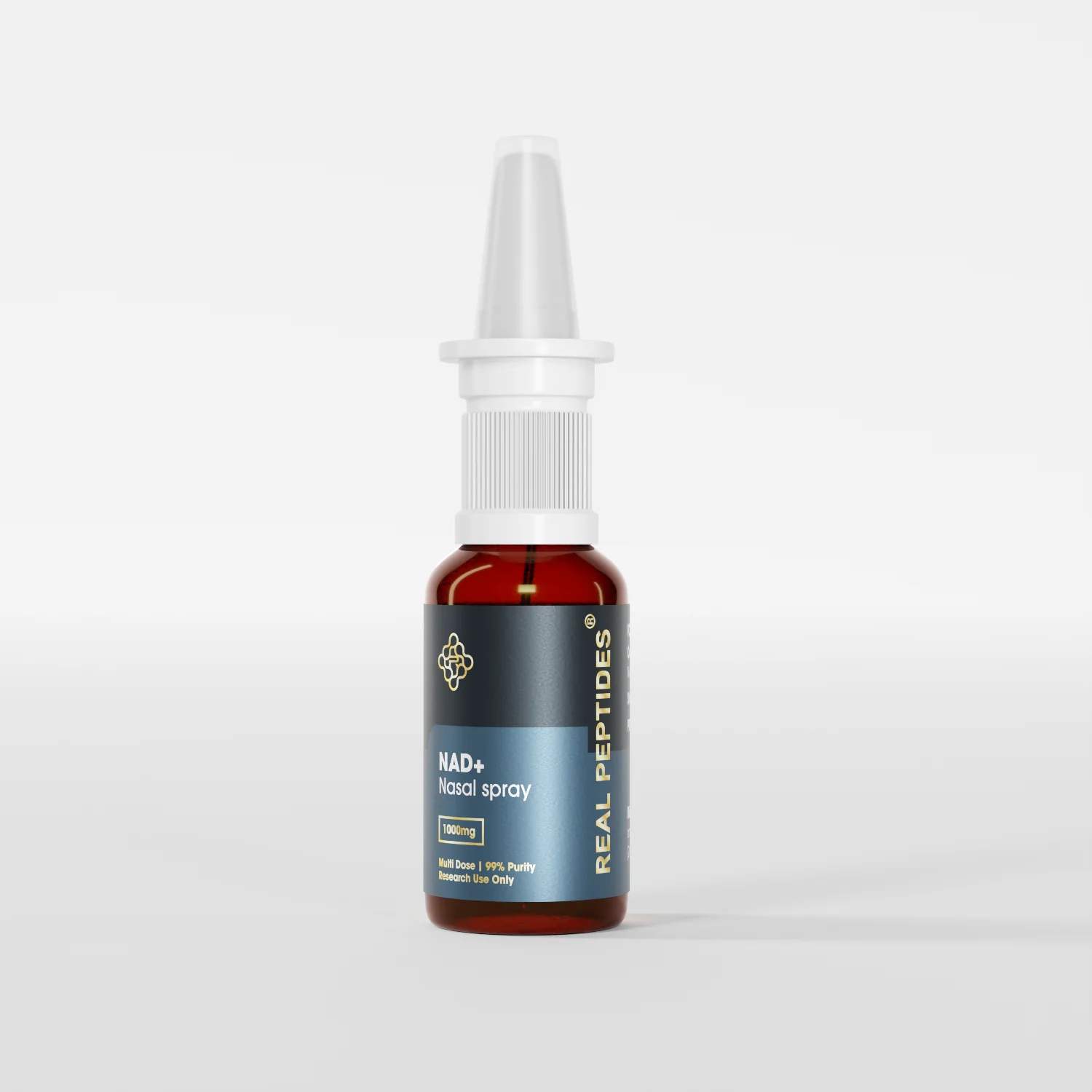
NAD+ in a 1000 mg liquid spray format. Lab tested per lot with COA published. Ships from US stock.
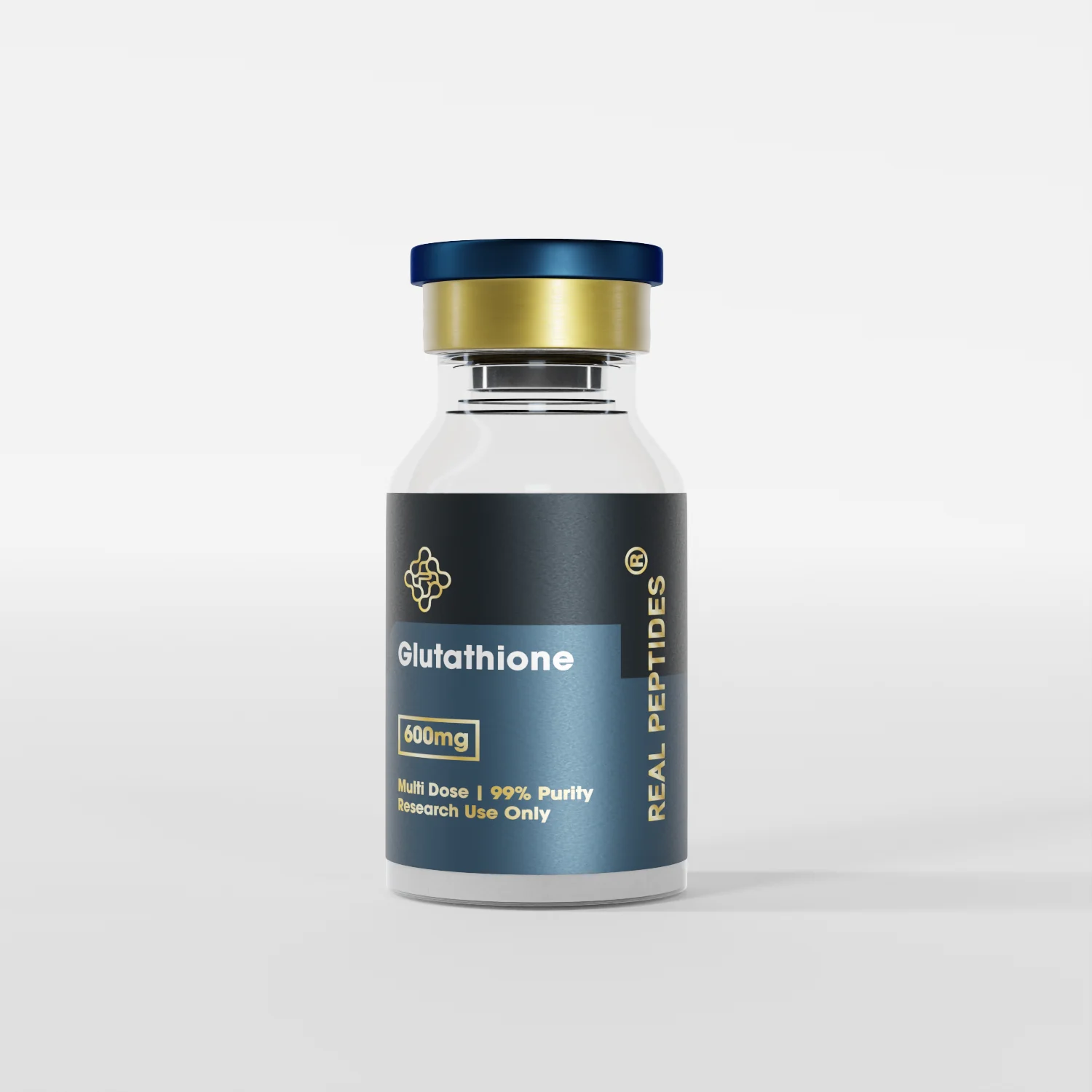
Glutathione research peptide — a major antioxidant studied for oxidative-stress support. Lab tested, COA published.
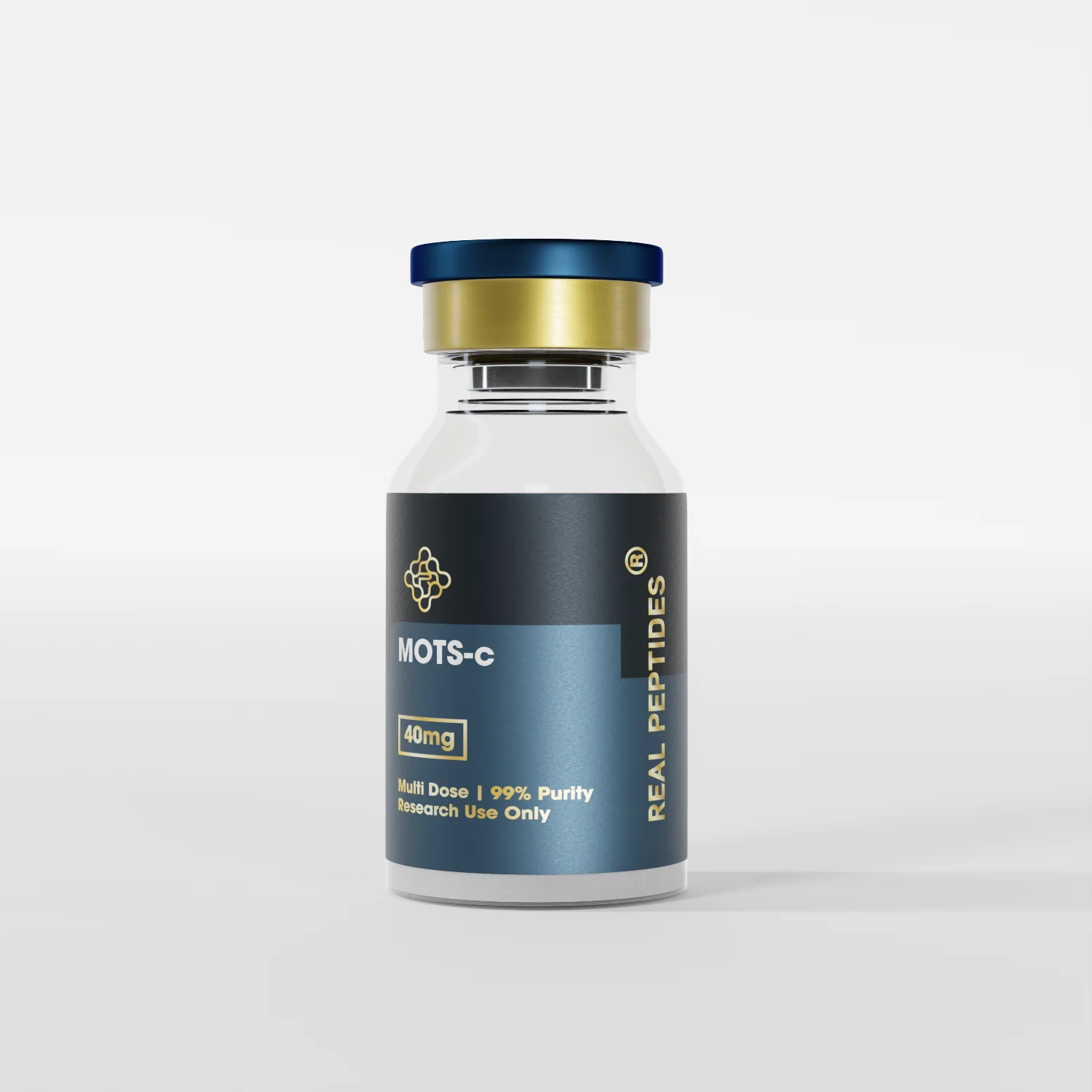
MOTS-c is a mitochondrial-derived peptide studied for metabolic and exercise-capacity research.
Order online; most orders arrive in a few days in discreet packaging.
Every pick has a batch-matched certificate of analysis we can read.
We check that real potency matches what the label promises.
Simple, transparent formulas — no mystery fillers or additives.
Scored on real cost per serving, not just sticker price.
Every guide is reviewed by at least one member of this panel before publication.
Former FDA policy researcher. Tracks peptide scheduling, import rules and compounding-pharmacy regulations across the US, EU and AU.
Tracks peptide vendor sourcing, cold-chain logistics and batch-matching practices to verify supply-chain integrity.
Runs HPLC and mass-spec validation on vendor COA claims. Eight years in pharmaceutical quality control.
Biostatistician who reviews trial design, endpoint selection and efficacy data for every peptide covered in our guides.
A prescription NAD+ injection program from the telehealth service Arc-1 is listed at $299.99, while a research-grade NAD+ multi-dose vial from Real Peptides costs $60.00. That gap of $239.99 is the first thing most people notice when they start comparing NAD+ injections, and it explains a lot about how this market is split. One price buys a physician consultation, a prescription and a pharmacy-compounded product. The other buys a lab-tested powder labelled for research use only, with no medical oversight at all.
We built this site to sort those options plainly: what each one is, what it costs, what the science supports and where the legal lines sit in 2026. None of the NAD+ products discussed here is an FDA-approved drug, and nothing on these pages is medical advice.
NAD+ injections reach US buyers through three channels: in-person clinics and med-spas, telehealth prescription services, and research peptide vendors. Each sits under different rules and serves a different buyer.
The first two are medical routes where a licensed clinician decides whether NAD+ is suitable for you. The third is not a medical route at all. If you want NAD+ for yourself, the realistic choices are a clinic or a prescriber. Our NAD injections comparison goes through the channels in more depth.
Most of the strong NAD+ research comes from cell and animal models, not from controlled human trials of injections. NAD+ (nicotinamide adenine dinucleotide) is a coenzyme found in every cell and is central to energy metabolism. Many studies report that NAD+ levels decline with age, and that observation is the foundation of the whole injection trend.
The jump from "levels fall with age" to "injecting NAD+ restores energy or slows ageing" is where the evidence gets thin. Human data for injectable NAD+ benefits such as energy, ageing or weight is limited. Claims you see in clinic marketing usually lean on lab findings about cellular metabolism, not on trials of people receiving NAD+ injections.
A practical check: when a clinic or seller cites "studies", ask whether they were done in cells, in mice or in people, and whether the people received injectable NAD+ or an oral precursor. Our page on NAD injection benefits separates those categories claim by claim.
The difference between these products is legal status and oversight more than chemistry. Arc-1's NAD+ Injections and NAD+ Nasal Spray are compounded by a pharmacy after a physician reviews your intake. Real Peptides' NAD+ multi-dose vial and NAD+ liquid spray are research materials sold without any consultation.
Sprays exist on both sides. Arc-1's nasal spray is a prescription product sold on a monthly subscription model, and Arc-1 itself notes that bioavailability data for the nasal route is limited. Real Peptides' 1000mg liquid spray is a needle-free research format. The needle-free format does not change the research-only label.
We see buyers treat a research vial as a cheaper version of a prescription. It is not. A research product carries no prescriber, no medical screening and no claim that it is suitable for people. Our nasal spray vs injection comparison covers the spray formats in detail.
Current listed prices range from $60.00 for a research vial to $299.99 for a telehealth injection program. All figures below come straight from the vendors' current listings.
| Product | Vendor | Type | Price | Terms |
|---|---|---|---|---|
| NAD+ Injections | Arc-1 | Telehealth Rx, compounded | $299.99 | 30-day returns |
| NAD+ Nasal Spray | Arc-1 | Telehealth Rx, compounded | $149.99 | 30-day returns, subscription |
| NAD+ Peptide Liquid Spray (1000mg) | Real Peptides | Research use only | $120.00 | Free US shipping over $250 |
| NAD+ Peptide (Multi-Dose Vial) | Real Peptides | Research use only | $60.00 | Free US shipping over $250 |
| Glutathione Peptide (600mg) | Real Peptides | Research use only | $40.80 | Free US shipping over $250 |
| MOTS-c Peptide (10mg) | Real Peptides | Research use only | $43.20 | Free US shipping over $250 |
The research spray works out to $0.12 per mg of stated NAD+ content. Glutathione and MOTS-c are not NAD+ products; they appear here because labs studying cellular ageing often order them together. The full cost breakdown adds clinic pricing factors.
Clinics commonly report flushing, nausea, chest tightness or cramping with NAD+ IV infusions, particularly when the infusion runs fast. These are general clinic-reported effects, not results from controlled trials, and they are a good reason medical supervision matters.
On the regulatory side, injectable NAD+ is not an FDA-approved drug. On 24 August 2026, FDA sent warning letters to five online peptide vendors for selling unapproved new drugs. NAD+ was not among the products named, but FDA made clear that a "research use only" label does not settle the question: it looks at the whole website, including disease claims, dosing guidance and reconstitution calculators. That is why this site publishes none of those. The side effects page covers reported reactions in more detail.
We compare vendors only on facts they publish: price, format, testing, access requirements, shipping and returns. Real Peptides publishes a third-party COA for its NAD+ products and ships from US stock. Arc-1 includes a physician consultation and uses a licensed telehealth platform with pharmacy-compounded products.
What we do not do is rank products by results in people, because no controlled human trial data exists to rank them by. If you are considering NAD+ for your own health, talk to your doctor or use a prescription service where a clinician makes the call. You can see every listed product on the products page.